How to play Farmstead World, and what the game is
Farmstead World is a free farm game you play in the browser at farmsteadworld.app. There is no download and no account: choose a farm name, step into town, and your homestead is waiting.
§01 The world
Farmstead World is a living, shared countryside. You get a patch of land in the town of Millbrook, one field, a coop and an old barn — and from there the farm is yours to shape.
Read how money, prices and buyers work in the Farmstead World player economy guide, or follow a crop from field to table in the food supply-chain article.
Every farm in the world trades in the same market, so when your neighbors sell corn, the price of corn moves for everyone. Crops grow while you are watching; animals, prices and contracts run on the farm clock, so the world carries on while you are away.
There is no download and no account: the whole game runs in the browser at farmsteadworld.app.
§02 How to play: your first ten minutes
The opening loop is deliberately small. Everything else arrives later, as a discovery.
- Enter town. Pick a farm name and step into Millbrook. The town is the shared part of the world: neighbors wander, and the rankings, offers and county events live here.
- Visit your farm. Open your farm from the side panel. This is your homestead — one field, a coop and an old barn on land you own.
- Plant corn. Click your field on the map (or pick it under Crops) and choose Plant corn. You start with three seeds.
- Water it. Corn only grows while it is watered. One unit from the crop tank waters a field for a minute, and corn needs three.
- Welcome the flock. Open Livestock and welcome your ten starter hens. They lay eggs every farm day, as long as they are fed and watered.
- Feed and water every farm day. Prepare a meal from your starter feed, then buy more at the market when it runs low. Missed days cost health, so a quick visit a day is the habit the game wants.
- Harvest and sell. When the corn is grown, select the field and harvest it. Sell corn or eggs at the market for your first dollars.
- Watch for discoveries. Your first sale and your first harvest open the farm path: irrigation, more fields, new crops and animals, each explained when it arrives.
The guide in the game follows the same order, and each page unlocks with the thing it explains — so the game never explains a system you have not met.
§03 How to play: growing a farm
Once money is coming in, the farm becomes a set of choices rather than a routine. More fields and better buildings cost cash up front and pay back slowly; livestock pays daily but needs feeding every day.
Crops have seasons, soil and watering to think about, and animals have health, housing and — later — breeding. Milk becomes butter and cheese, wheat becomes flour, cotton becomes cloth: a workshop always turns a bulky good into a smaller, more valuable one.
Land is the long game. Buying the parcels next to yours opens room for animals, orchards and pasture, and the county keeps a record of how your farm is classified as it grows.
§04 How to play: with neighbors
Millbrook is one world for everyone. You can walk into town, see who is around, and visit other farms — most farmers are happy to be admired.
Later discoveries open cooperation: hire visiting neighbors as farmhands and set exactly which jobs they may touch, post offers at the farm gate for other players to accept, and take delivery contracts that pay above market price if you can hit the deadline.
County events give the whole world a shared calendar: fairs, competitions and rankings you can enter with the animals and crops you have raised.
§05 What's next
The farm keeps growing: the late-game trees add processing, packing, cold chains and manufactured products, so a farm can grow from a field of corn into a food business.
Farmstead World is built by one person, in the open, with the almanac, the guide and the farm wiki all written from the same researched sources you can read in-game.
Common questions
Is Farmstead World free to play?
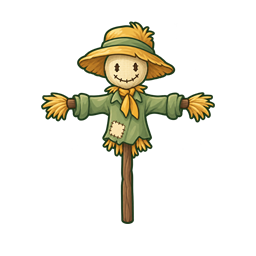
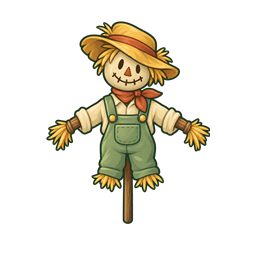
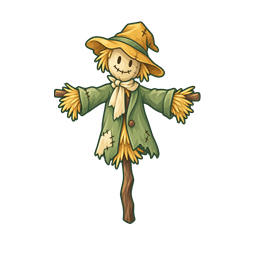
Yes. Farmstead World is free to play in the browser at farmsteadworld.app. There is a tip jar for anyone who wants to support the developer, and tips never buy an advantage — the reward for a $20 tip is a decorative scarecrow for your farm.
Do I need an account or a download?
No. You choose a farm name and play. Your farm identity is stored in your browser, and your farm lives in the shared world on the server.
What devices can run it?
Any device with a modern web browser: desktop, laptop, tablet or phone. The map, the panels and the keyboard and touch controls all work on small screens.
Does my farm keep running while I am away?
Yes. Crops and animals run on the farm clock, so food is eaten, crops grow and prices move while you are offline. Come back and the farm has carried on without you.
How do I make money in the game?
Sell what you grow and raise at the shared market, then add value: milk into butter and cheese, wheat into flour, cotton into cloth, and eventually packaged and processed goods. Delivery contracts and county prizes pay on top.
How do I get a scarecrow?
Every $20 of lifetime tips earns one decorative scarecrow. Once a payment clears, choose Classic, Little Farmhand or Orchard Keeper in your farm's Decorations panel, then place him on a free tile you own. You can choose a different design each time, or repeat a favorite. The Scarecrow collectors leaderboard counts all your earned scarecrows, including those waiting to be placed.
Is the game multiplayer?
Yes. Every farm shares one market and one town, so prices react to what everyone sells. You can visit other farms, hire farmhands, trade at the farm gate and enter county events together.